top of page


Book Club

I love to read. Continuous learning is fundamental if we are going to genuinely change the way that we think and act in health and care. ‘Softwired’ is committed to making an ongoing contribution to a health and care ecosystem where as leaders we consider and challenge ourselves with new thinking and learning – whether that be through reading or taking part in research.
Pictured: Susannah Howard with American management consultant and author of 'Humanocracy', Gary Hamel. April 2026
The Softwired Book Club
The following books are not only a great read if you want to get ‘Softwired’ – they are also a great way to begin more meaningful discussions with colleagues and friends too!

01
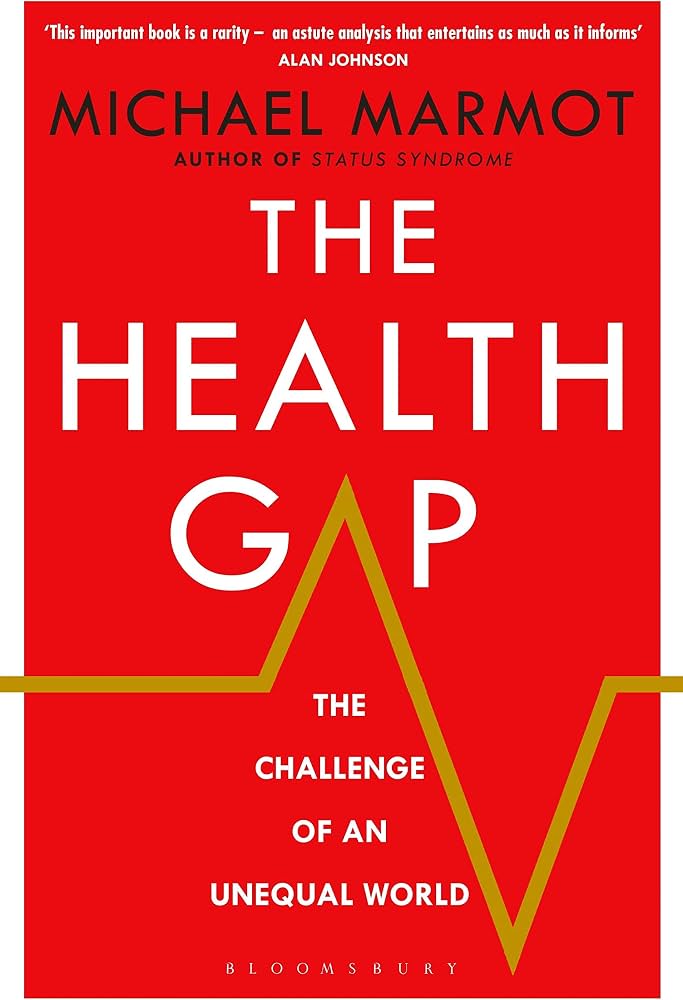
The Health Gap
Michael Marmot
2015
Michael Marmot
2015
This is quite simply THE book to read if you want to understand how social determinants – how we are born, grow, live, work and age – impact on our health outcomes – and how social injustice drives health inequalities.
Sir Michael Marmot helps us to rethink health as a societal issue, not just a personal one and to understand how tackling social injustice is not just morally right, but a necessary public health intervention.
Sir Michael Marmot helps us to rethink health as a societal issue, not just a personal one and to understand how tackling social injustice is not just morally right, but a necessary public health intervention.

02
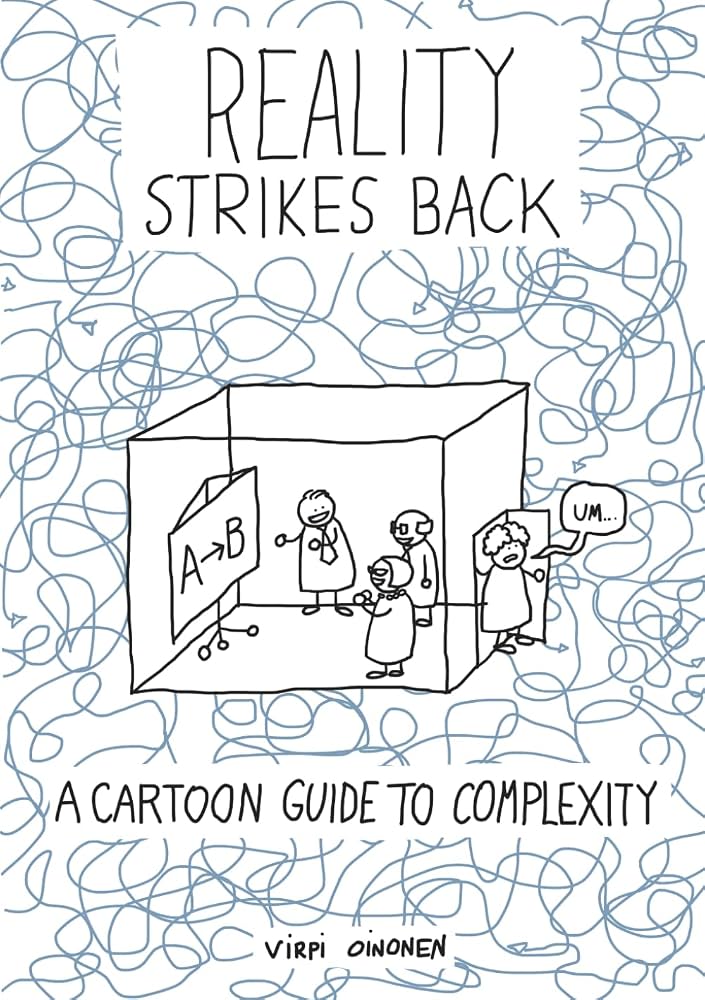
Reality Strikes Back
Virpi Oinonen
2026
Virpi Oinonen
2026
Virpi Oinonen uses her exceptional skills as a cartoonist and draws from diverse fields – from healthcare to the military – to illustrate how rigid models fail in unpredictable environments. Outlining principles for complexity-friendly organisations she offers a parable about modern leadership in an era of more feedback loops and less control.
She argues that many systems ‘pretend complexity does not exist’ leading to ineffective solutions and unintended consequences. She shows us that ‘simply fixes often fail – and we need to ‘think differently’ about complex problems.
She argues that many systems ‘pretend complexity does not exist’ leading to ineffective solutions and unintended consequences. She shows us that ‘simply fixes often fail – and we need to ‘think differently’ about complex problems.

03
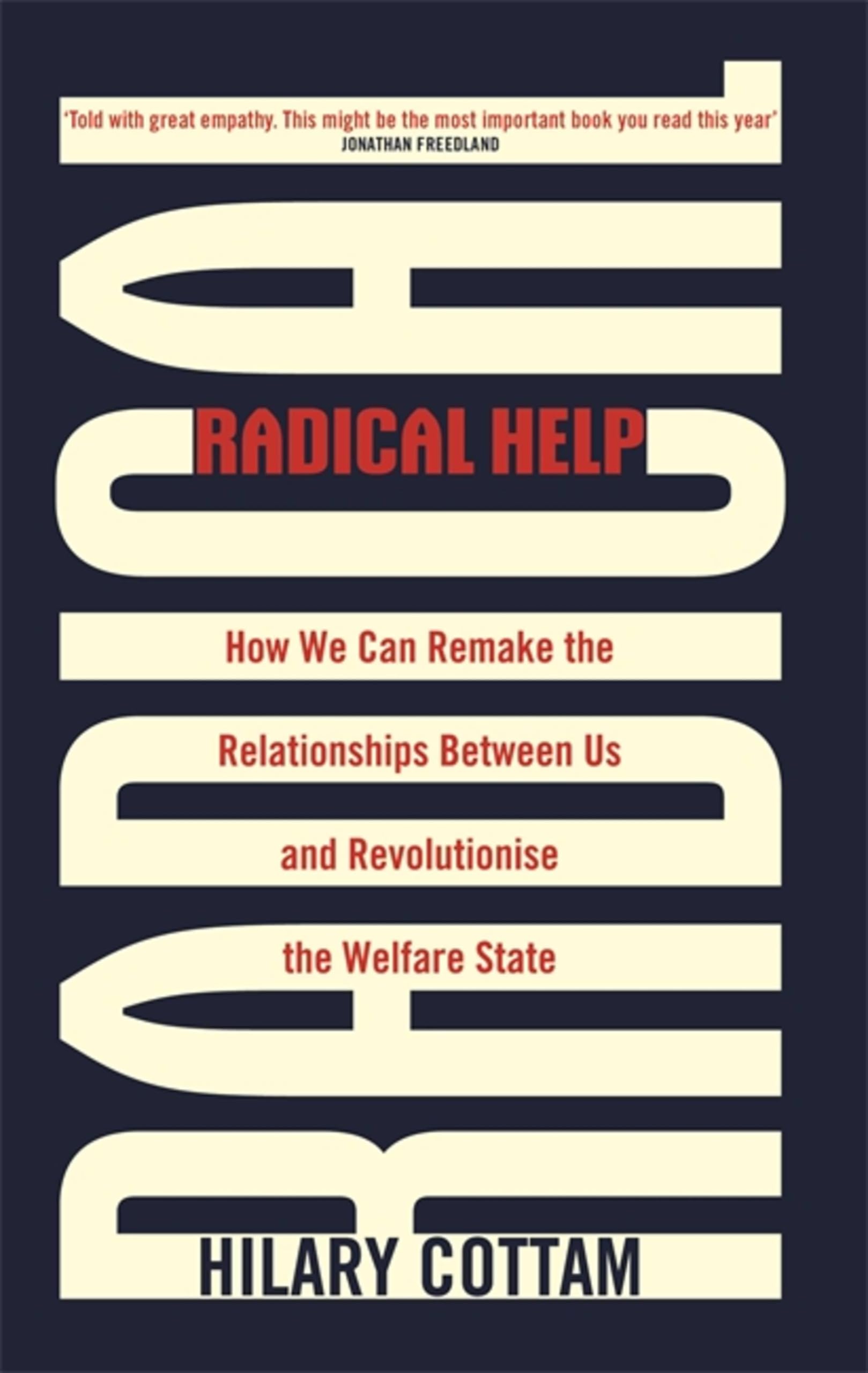
Radical Help
Hilary Cottam
2018
Hilary Cottam
2018
This powerful book argues that our twentieth century welfare system, while revolutionary in its time, is no longer adequate to address modern social challenges. Instead, Cottam proposes a system more focused around relationships.

04
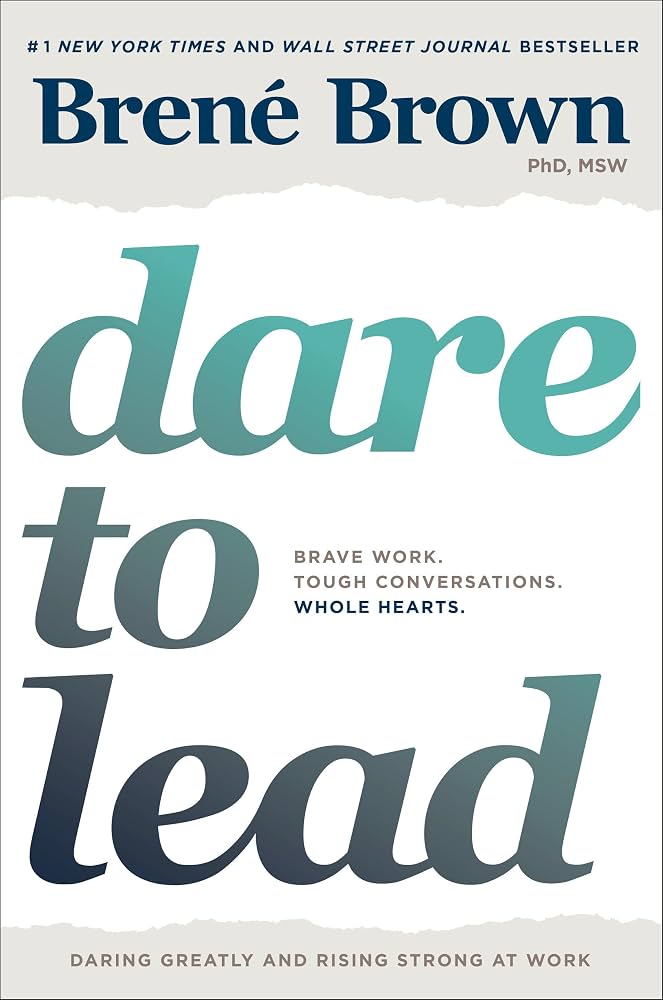
Dare to Lead
Brené Brown
2018
Brené Brown
2018
This book reminds us that true leadership is not about titles or power, but about the courage to recognise potential in people and processes and to develop it. It encourages leaders to choose courage over comfort, see their vulnerability as a strength, build trust, live into their values, develop empathy and connection and learn to have honest, courageous conversations that foster accountability and growth.

05
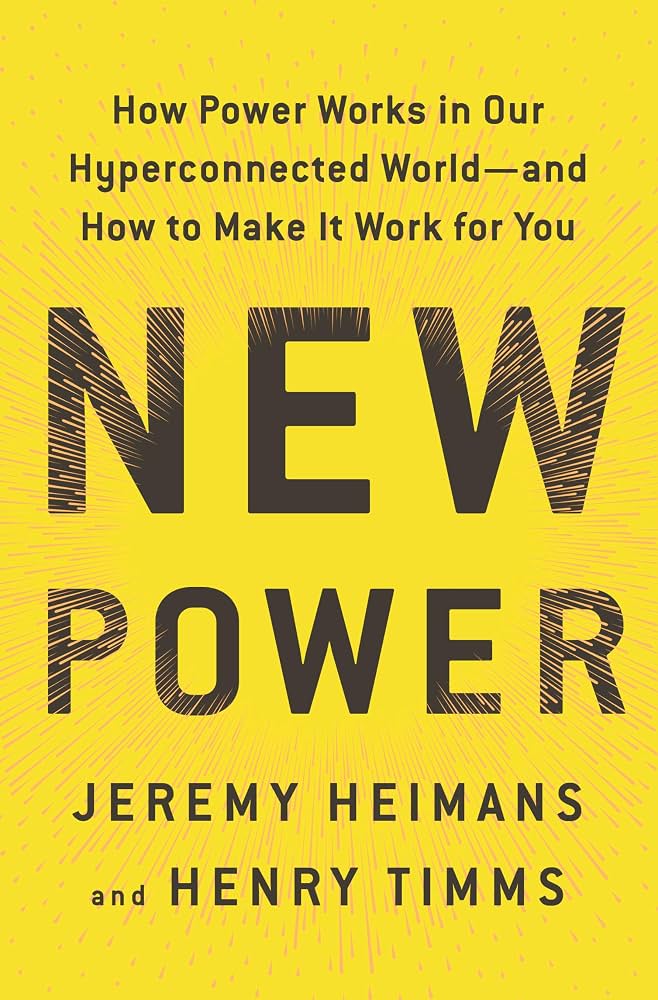
New Power
Jeremy Heimans & Henry Timms
2018
Jeremy Heimans & Henry Timms
2018
Two visionary thinkers take you on a whirlwind tour of the 21st century, revealing how “new power” is reshaping politics, business and society – and how understanding how it works could change your life. Why do some leap ahead while others fall behind in our chaotic, connected age? In New Power, Jeremy Heimans and Henry Timms confront the biggest stories of our time - the rise of mega-platforms like Facebook and Uber; the out-of-nowhere victories of Trump and Obama; the unexpected emergence of movements like #MeToo—and reveal what’s really behind them: the rise of “new power.”

06
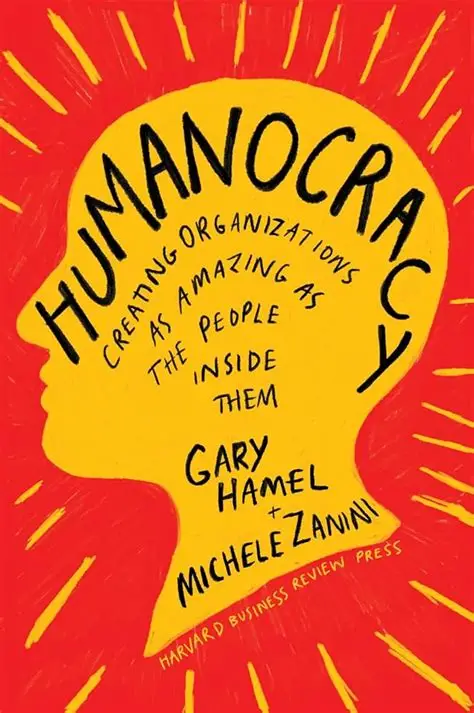
Humanocracy
Gary Hamel and Michele Zanini
2020
Gary Hamel and Michele Zanini
2020
Humanocracy is about building organisations “as amazing as the people inside them”. It challenges outdated industrial-era management, replaces rigid bureaucracies with empowering human-centric systems, and focuses on creating workplaces where employees and inspired, productive and engaged. The book is a manifesto for change and a practical blueprint for how organisations can maximise human talent, creativity and accountability by promoting ownership, meritocracy, decentralisation, community, openness, experimentation and embracing complexity by balancing flexibility with structure.

07
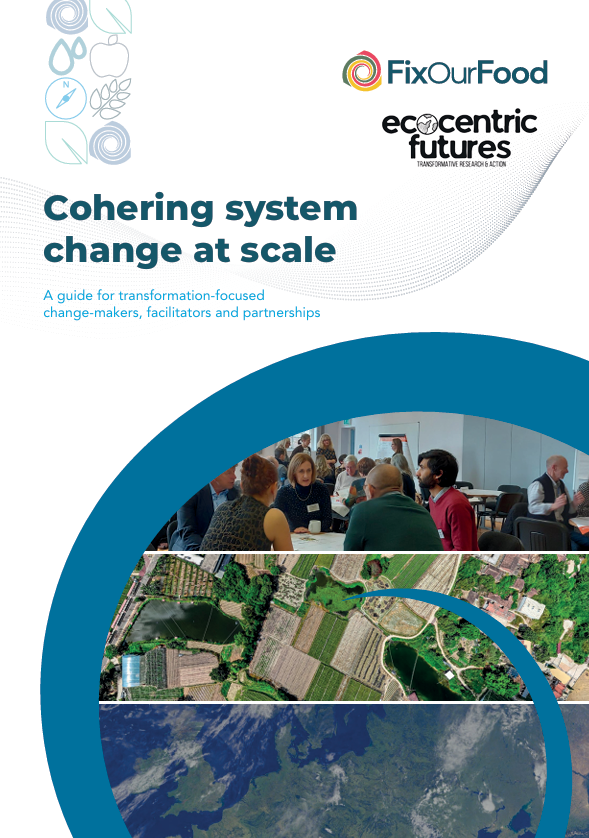
Cohering system change at scale
Various partner organisations
2026
Various partner organisations
2026
This unique publication argues that today’s interconnected challenges cannot be solved through incremental improvements alone. Instead, they require transformational change: a fundamental shift in the purpose, relationships and ways of operating within systems. Drawing on practical experience from food system transformation, health and public sector partnerships, the guide proposes an integrated approach for “cohering” change at scale. It emphasises building a shared vision of transformation, aligning diverse stakeholders through a middle-out approach, creating governance and evaluation systems designed specifically for transformational outcomes, and sustaining momentum through long-term partnership building, continuous learning and collective leadership.

01
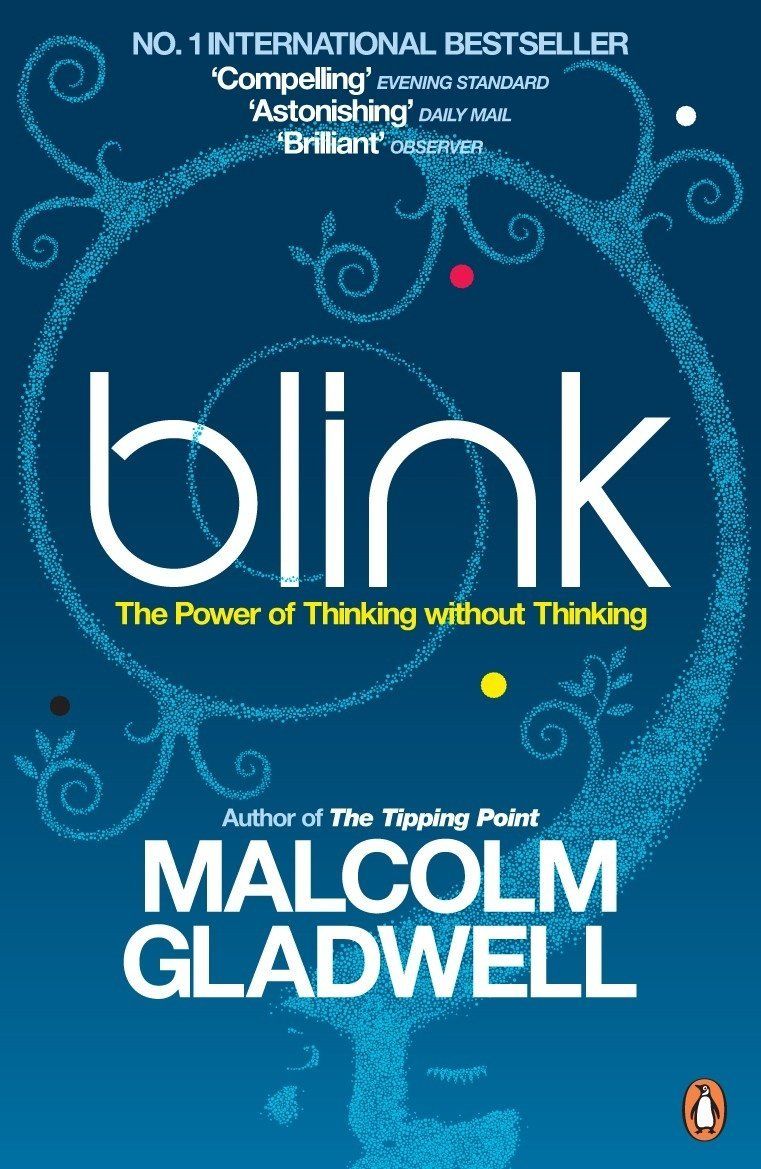
Blink
Malcolm Gladwell
2005
Malcolm Gladwell
2005
Intuition is not some magical property that arises unbidden from the depths of our mind. It is a product of long hours and intelligent design, of meaningful work environments and particular rules and principles. This book shows us how we can hone our instinctive ability to know in an instant, helping us to bring out the best in our thinking and become better decision-makers in our homes, offices and in everyday life. Just as he did with his revolutionary theory of the tipping point, Gladwell reveals how the power of 'blink'; could fundamentally transform our relationships, the way we consume, create and communicate, how we run our businesses and even our societies. You'll never think
about thinking in the same way again.
about thinking in the same way again.

02
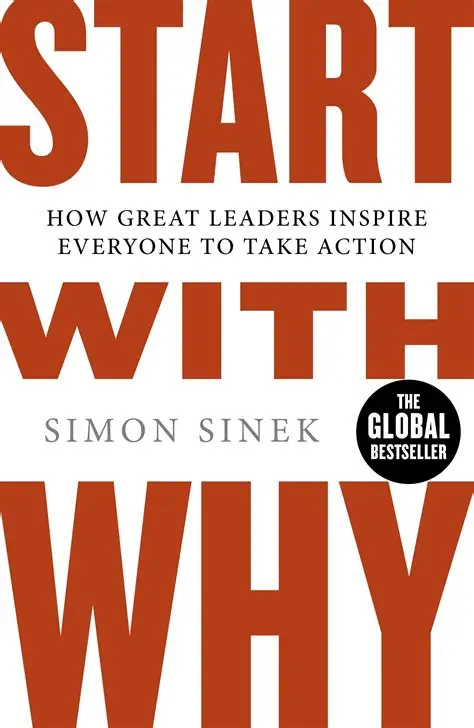
Start With Why
Simon Sinek
2010
Simon Sinek
2010
Simon Sinek's global bestseller has sold more than three million copies by asking a simple fundamental question: Why are some people and organisations more innovative, more influential, and more profitable than others? The answer to why is another why. Leaders like Martin Luther King Jr., Steve Jobs, and the Wright Brothers had little in common, but they all started with a WHY. They realised that people won't truly buy into an idea, a movement, a product or a service until they understand the WHY behind it.

03
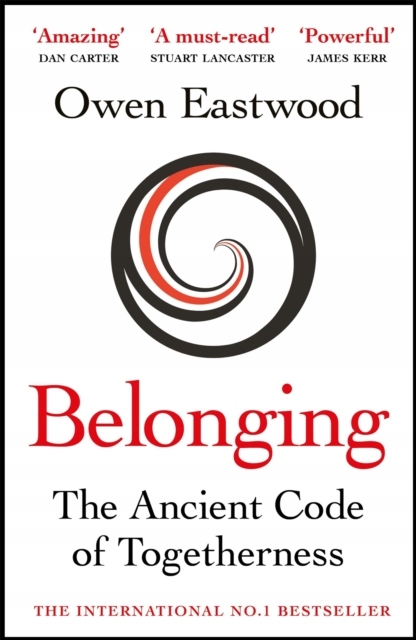
Belonging
Owen Eastwood
2021
Owen Eastwood
2021
Owen Eastwood reveals, for the first time, the ethos that has made him one of the most in-demand Performance Coaches in the world. Drawing on his own Maori ancestry, Owen weaves together insights from homo sapiens' evolutionary story and our collective wisdom. He shines a light on where these powerful ideas are applied around the world in high-performing settings encompassing sport, business, the arts and military. Whakapapa is a Maori idea which embodies our universal human need to belong. It represents a powerful spiritual belief - that each of us is part of an unbroken and unbreakable chain of people who share a sacred identity. Owen places this concept at the core of his methods to maximise a team's performance. Aspects of Owen's unique approach include: finding your identity story; defining a shared purpose; visioning future success; sharing ownership with others; understanding the 'silent dance' that plays out in groups; setting the conditions to unleash talent;

04
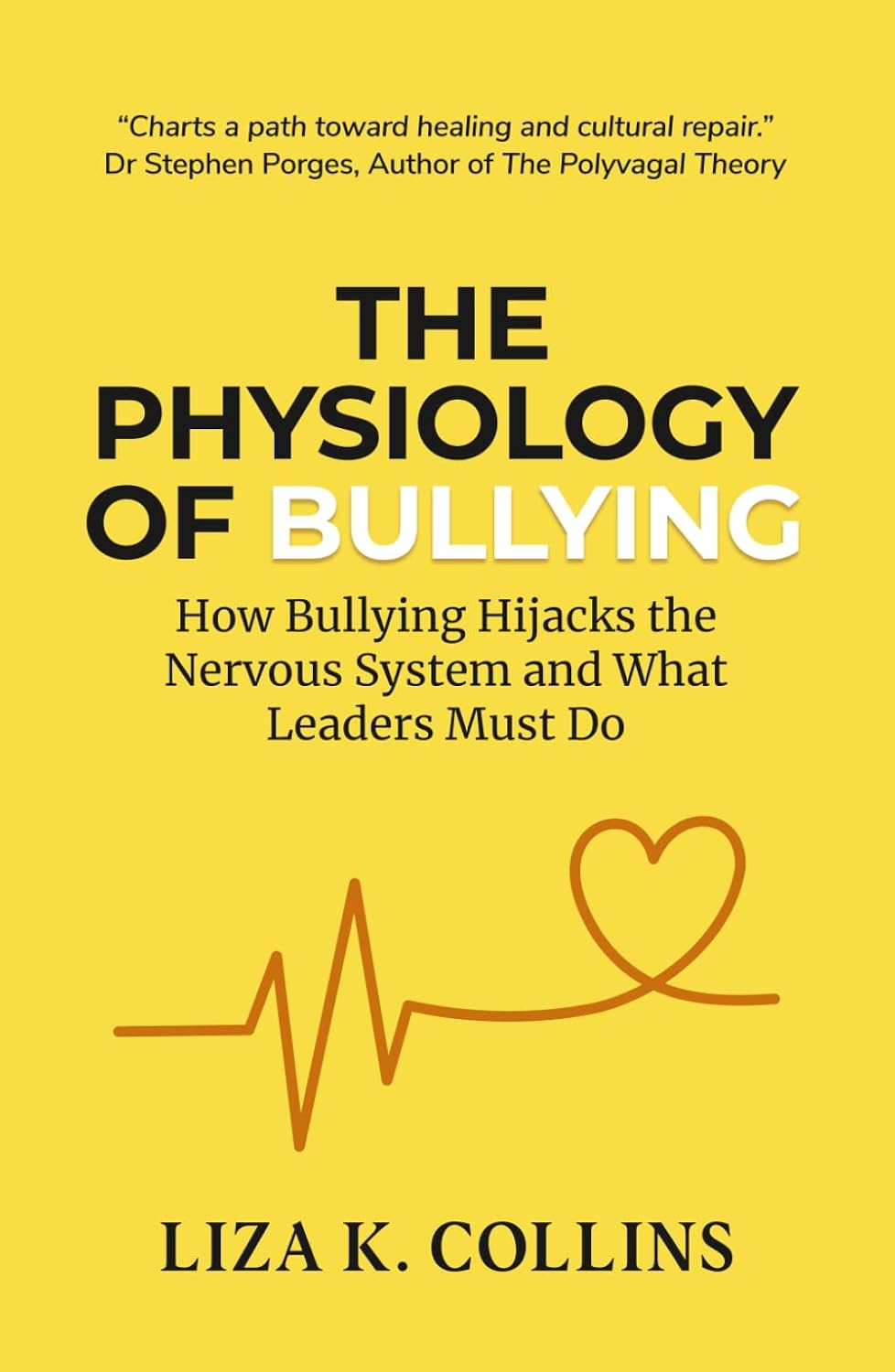
The Physiology of Bullying
Liza K. Collins
2025
Liza K. Collins
2025
Bullying is not merely as a behavioural or cultural issue but a physiological and neurological crisis. Collins draws on neuroscience, trauma research, and lived experience to show how chronic exposure to bullying triggers stress responses that restructure the brain, flood the body with
stress hormones, and weaken overall health, while also eroding organisational culture and performance. The book emphasises that bullying has real biological consequences, affecting both mental and physical well-being.
stress hormones, and weaken overall health, while also eroding organisational culture and performance. The book emphasises that bullying has real biological consequences, affecting both mental and physical well-being.

05
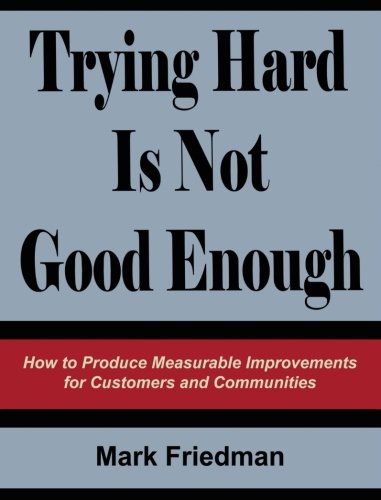
Trying Hard is Not Good Enough
Mark Friedman
2015
Mark Friedman
2015
RBA is a common sense approach that replaces all the overly-complex and jargon-laden methods foisted on us in the past. The methods can be learned and applied quickly. And all the materials are free for use by government and non-profit organisations. In addition to providing practical methods, the book also makes a contribution to social theory by explaining the contribution relationship between program performance and community quality of life.

06
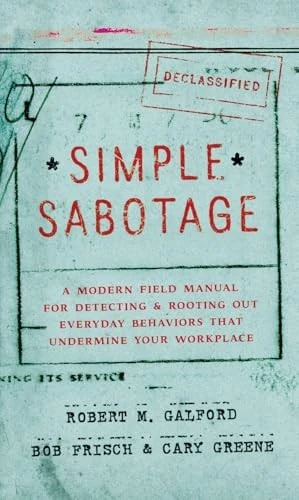
Simple Sabotage
Central Intelligence Agency (CIA)
1944
Central Intelligence Agency (CIA)
1944
The Simple Sabotage Field Manual is a document written by the US Office of Strategic Services in 1944. The manual was declassified by the Central Intelligence Agency in 2008. The manual was distributed to OSS officers in foreign countries in order to help them train "citizen-saboteurs" in German-occupied Europe.

07
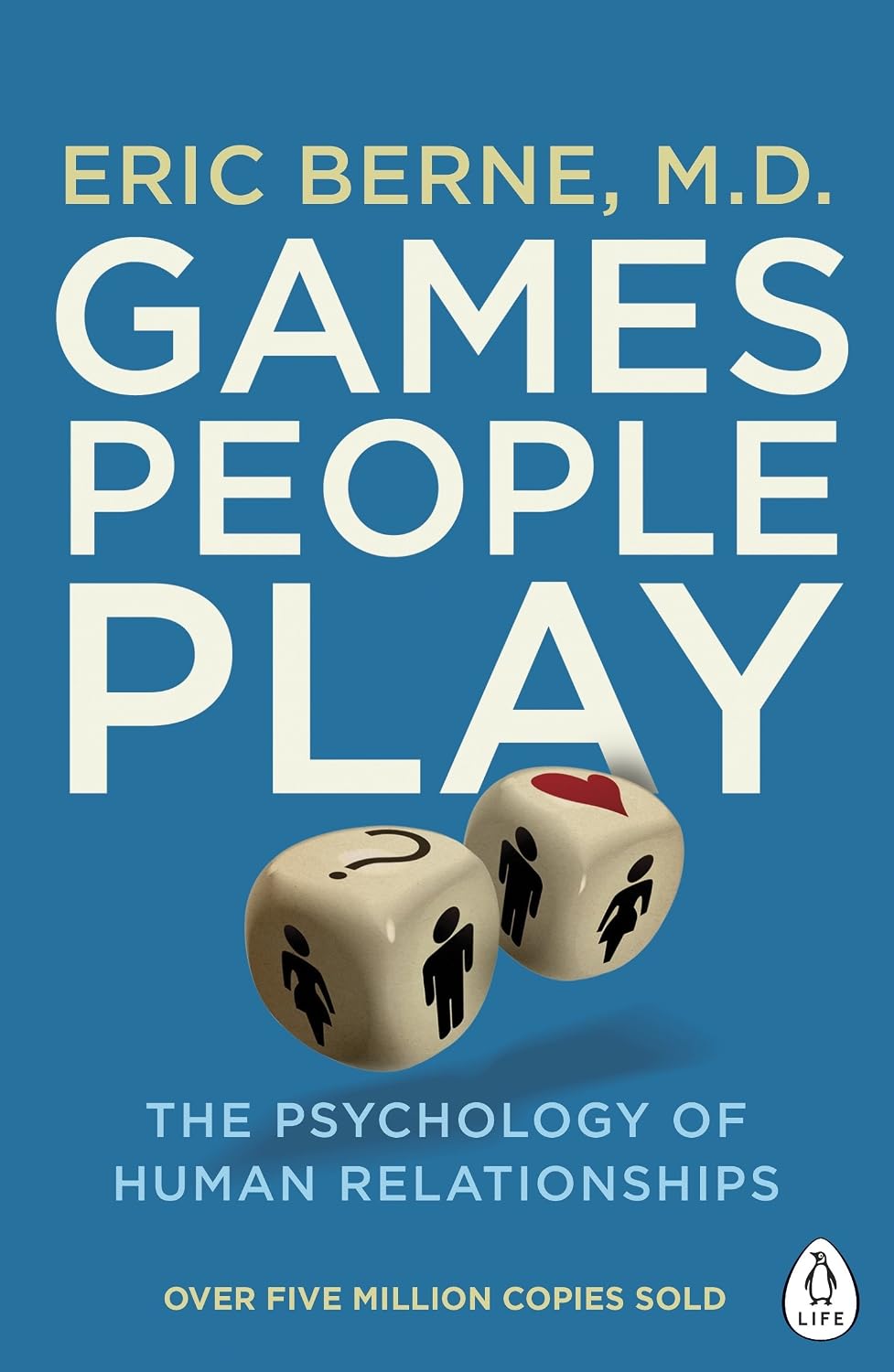
Games People Play
Eric Berne
1964
Eric Berne
1964
Widely recognised as the most original and influential psychology book of our time, Games People Play has helped millions of people better understand basic social interactions and relationships. We play games all the time; relationship games; power games with our bosses and competitive games with our friends. In this book, Berne reveals the secret ploys and manoeuvres that rule our lives and how to combat them. Giving you the keys to unlock the psychology of others and yourself, this classic, entertaining and life-changing book will open up the door to honest communication and teach you how to get the most out of life.

01
The Trust Prescription for Healthcare
David A. Shore (2005)
David A. Shore (2005)
With healthcare under increasing scrutiny, hospitals and other healthcare providers must seek out ways of building trust, both within their organization and throughout the community. The Trust Prescription for Healthcare shows providers and organizations how to build their capacity for trust and trustworthiness and how to turn that capacity into a trusted reputation and brand. The data is compelling: having both the trust of the community and a reputation as a trusted provider are at once good medicine, good business, and great leadership.

02
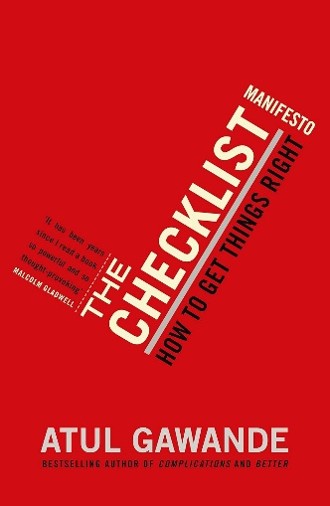
The Checklist Manifesto: How to Get Things Right
Atul Gawande (2011)
Atul Gawande (2011)
In this groundbreaking book, Atul Gawande makes a compelling argument for the checklist, which he believes to be the most promising method available in surmounting failure. Whether you're following a recipe, investing millions of dollars in a company or building a skyscraper, the checklist is an essential tool in virtually every area of our lives, and Gawande explains how breaking down complex, high pressure tasks into small steps can radically improve everything from airline safety to heart surgery survival rates. Fascinating and enlightening, The Checklist Manifesto shows how the simplest of ideas could transform how we operate in almost any field.

03
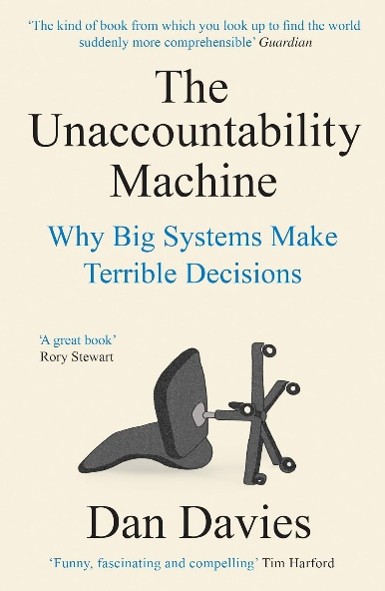
The Unaccountability Machine: Why Big Systems Make Terrible Decisions
Dan Davies (2025)
Dan Davies (2025)
When we avoid taking a decision, what happens to it? In The Unaccountability Machine, Dan Davies examines why markets, institutions and even governments systematically generate outcomes that everyone involved claims not to want. He casts new light on the writing of Stafford Beer, a legendary economist who argued in the 1950s that we should regard organisations as artificial intelligences, capable of taking decisions that are distinct from the intentions of their members.
Management cybernetics was Beer's science of applying self-regulation in organisational settings, but it was largely ignored - with the result being the political and economic crises that that we see today. With his signature blend of cynicism and journalistic rigour, Davies looks at what's gone wrong, and what might have been, had the world listened to Stafford Beer when it had the chance.
Management cybernetics was Beer's science of applying self-regulation in organisational settings, but it was largely ignored - with the result being the political and economic crises that that we see today. With his signature blend of cynicism and journalistic rigour, Davies looks at what's gone wrong, and what might have been, had the world listened to Stafford Beer when it had the chance.

04
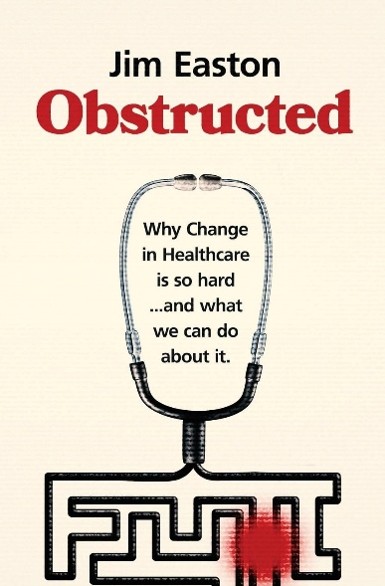
Obstructed: Why Change in Healthcare is So Hard And What We Can Do About It
Jim Easton (2024)
Jim Easton (2024)
Healthcare around the world struggles to satisfy the needs and desires of many patients, remains an industry with a poor safety record, and governments and individuals, get increasingly frustrated with spiralling costs. Easton argues that this is no accident - that there are deep features particular to healthcare, in the cultures of medicine, in the culture of medical management and the politics that surrounds healthcare, that make positive change particularly hard in this industry. Simply applying the methods that have driven change in other industries is unlikely to be successful.

05
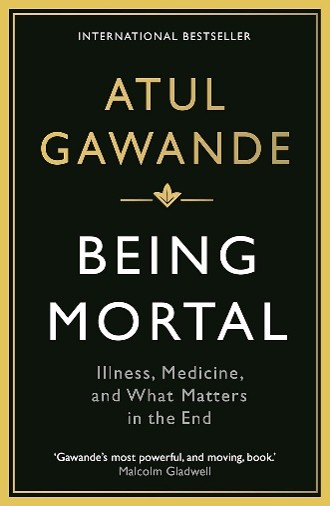
Being Mortal: Illness, Medicine and What Matters in the End
Atul Gawande (2015)
Atul Gawande (2015)
For most of human history, death was a common, ever-present possibility. It didn't matter whether you were five or fifty - every day was a roll of the dice. But now, as medical advances push the boundaries of survival further each year, we have become increasingly detached from the reality of being mortal. So here is a book about the modern experience of mortality - about what it's like to get old and die, how medicine has changed this and how it hasn't, where our ideas about death have gone wrong. With his trademark mix of perceptiveness and sensitivity, Atul Gawande outlines a story that crosses the globe, as he examines his experiences as a surgeon and those of his patients and family, and learns to accept the limits of what he can do.

06
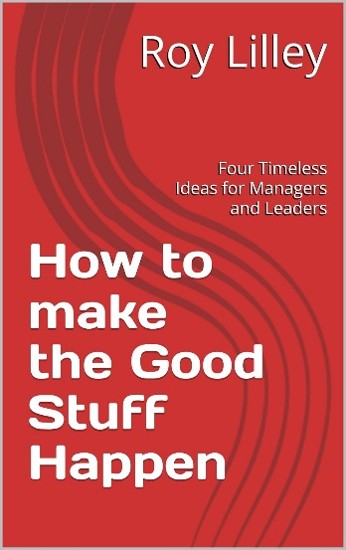
How to make the Good Stuff Happen: Four Timeless Ideas for Managers and Leaders
Roy Lilley (2026)
Roy Lilley (2026)
In this little book, Roy Lilley introduces four ideas as the foundation stones of good management and leadership. He suggests that if we understand them and much else falls into place. Ignore them and no amount of strategy, restructuring, consultancy, technology or management jargon will rescue you.

07
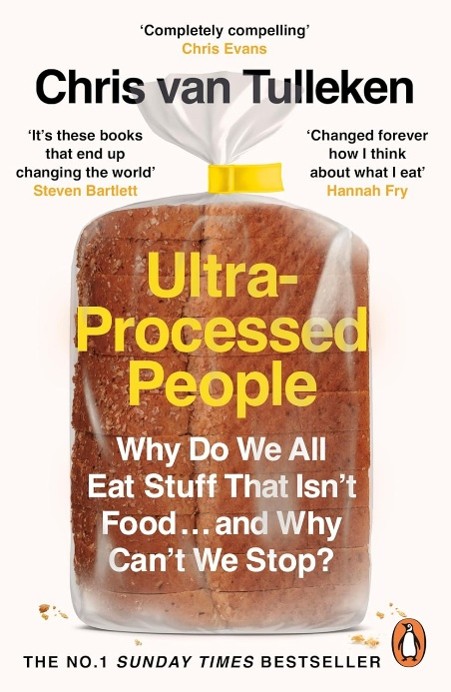
Ultra-Processed People
Chris van Tulleken (2023)
Chris van Tulleken (2023)
We have entered a new 'age of eating' where most of our calories come from an entirely novel set of substances called Ultra-Processed Food, food which is industrially processed and designed and marketed to be addictive. But do we really know what it's doing to our bodies? This is a book about our rights. The right to know what we eat and what it does to our bodies and the right to good, affordable food.
Relevant Research
Coming soon...
bottom of page